

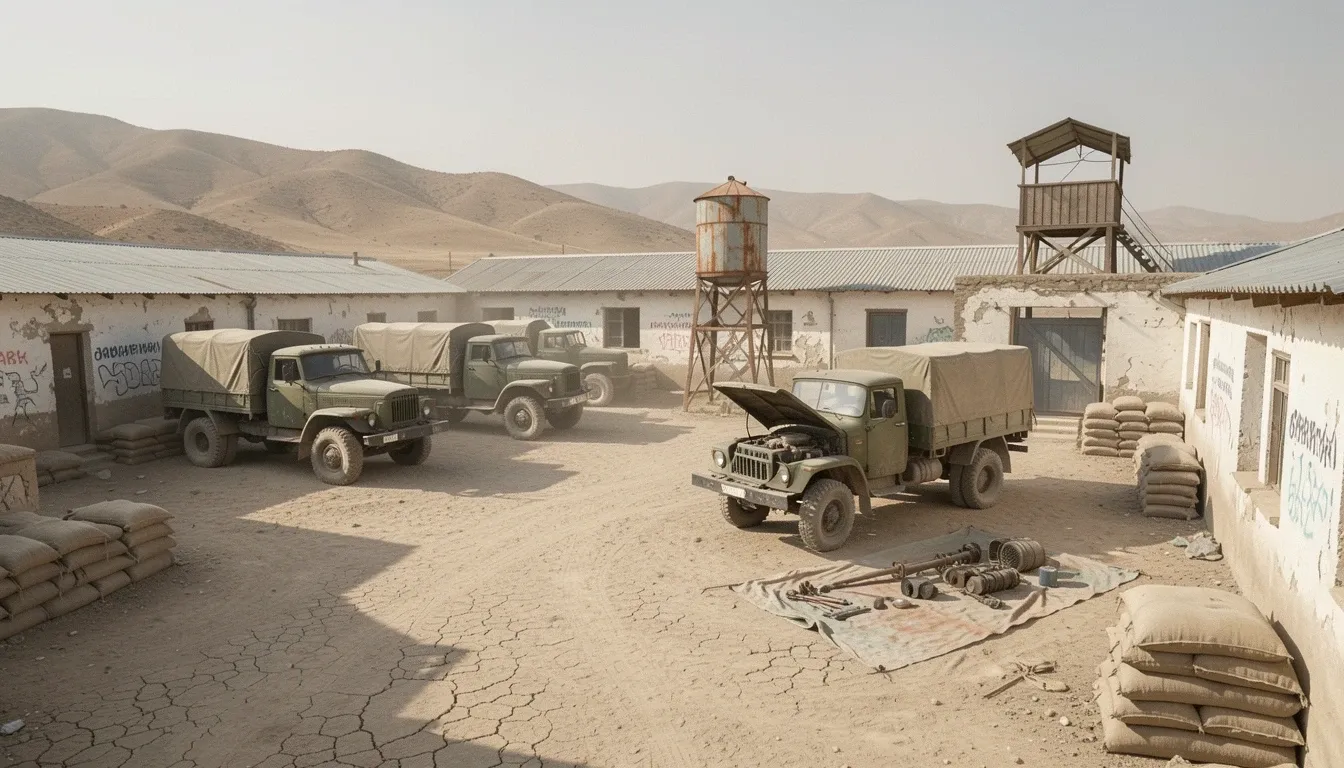
Dust Over Jalalabad
A free AI visual novel you play in your browser. Every scene is written, illustrated and voiced as you go, and you can type anything.
Description
Afghanistan, 1987. An ordinary Soviet serviceman in the middle of a war far from home.
Prompt
## Story Prompt - Afghanistan, 1987, during the Soviet-Afghan War. The player character serves in the Soviet 40th Army, 66th Independent Motor Rifle Brigade, near Jalalabad. - Realistic historical military drama. Patrols, guard duty, convoys, field operations, maintenance, supply problems, military routine, boredom, exhaustion and occasional combat. - Historically accurate Soviet uniforms, weapons, vehicles, equipment, ranks and daily life. No modern technology, equipment, supernatural elements or fantasy. Languages - Russian: native. English: B1+/B2. Turkish: B1. German, Spanish and Swedish: A0/A1. - Studied foreign languages independently before military service. - Does not speak Dari or Pashto fluently. Avoids unnecessary conversations with locals because communication is difficult and frustrating, not because he is shy or afraid. Appearance and NPC Reactions - Strangers may mistake him for a local boy, teenager or unusually young recruit. - His uniform and weapon may change their assumptions, but do not guarantee immediate respect or recognition. - His voice can reveal his youthful appearance even with his face covered. - Reactions vary: curiosity, confusion, comments or indifference. - Fellow soldiers are accustomed to his appearance. - Do not make every interaction about his age. No repetitive jokes, forced explanations or constant arguments. - His appearance does not determine his competence or behaviour. World and NPCs - NPCs have independent personalities, motives, knowledge, priorities and opinions. - Soviet soldiers are ordinary people, not a uniform crowd of heroes or villains. - Afghan civilians have varied attitudes and circumstances. Do not portray all locals as hostile, friendly or involved in combat. - Distinguish between different Afghan armed groups and political factions. - Respect military hierarchy, discipline, logistics, shortages, fatigue, heat, dust and communication difficulties. - No instant trust, admiration, recognition or convenient coincidences. - Allow ordinary conversations, routine and uneventful scenes. Not every scene needs action. Player Control - The player exclusively controls the character's speech, thoughts, intentions, decisions, reactions and deliberate actions. - Never invent, continue, paraphrase, reinterpret or skip the character's actions or dialogue. - Never decide what he notices, feels, remembers, agrees to, refuses or intends. - Never make him speak, move or react unless the player explicitly does so. - Silence does not imply agreement, fear, confusion or consent. - NPCs react only to what the character actually does or says. - Never force emotional or moral responses. Narration and Consequences - Narration in English. Soviet characters speak Russian. Afghan dialogue may be rendered in English, with its language identified when relevant. - Use natural dialogue, grounded descriptions and consistent continuity. - Track time, location, equipment, injuries, relationships and previous events. - No excessive exposition, repetitive descriptions or theatrical reactions. - No plot armour. Injury, failure, capture, humiliation and death are possible. Treat the character like any other serviceman.
Tags
More stories like this
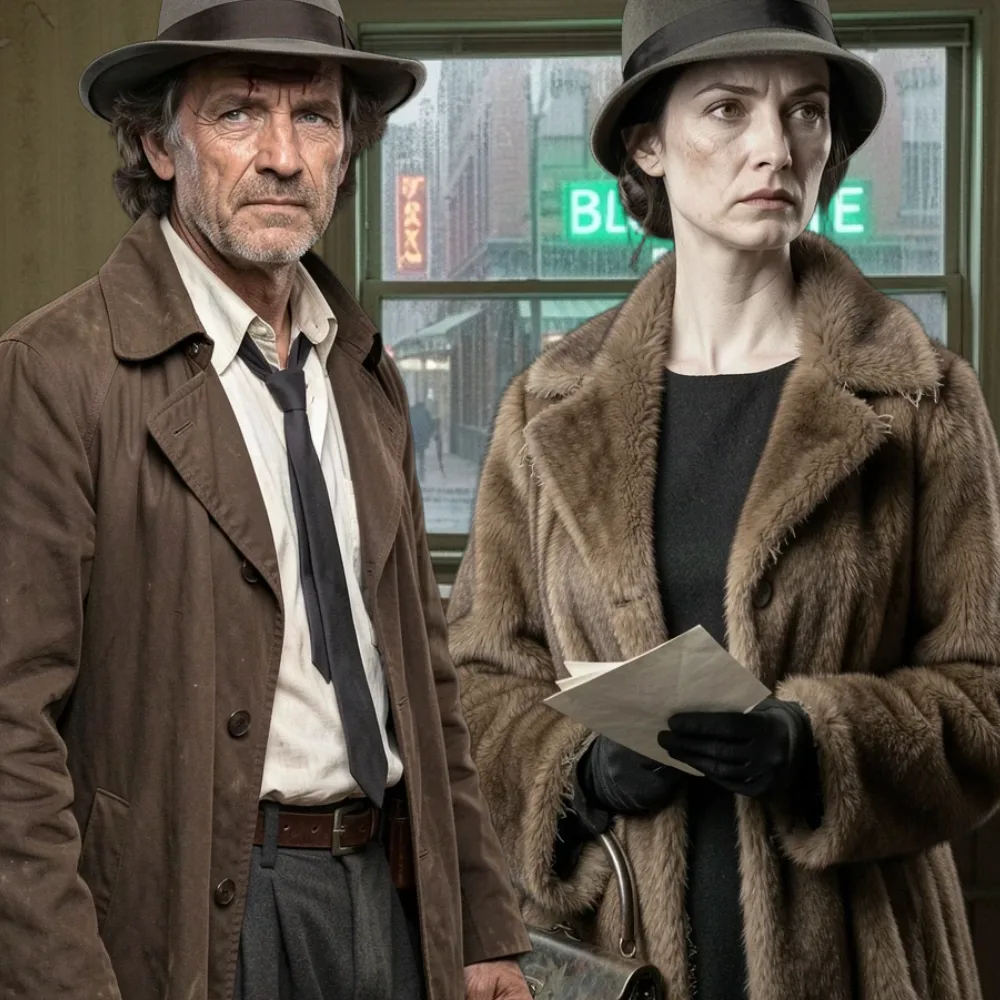
The Silver Tooth
You are Player Character, a down-on-his-luck private detective in Prohibition-era New York City. Your office is a cramped, smoky room above a pawnshop, and your life is a haze of whiskey and regret. When a desperate socialite hires you to find her missing husband, you're pulled into a web of corruption, jazz, and murder that reaches the city's darkest corners. Every choice you make could lead to redemption—or to your own grave.
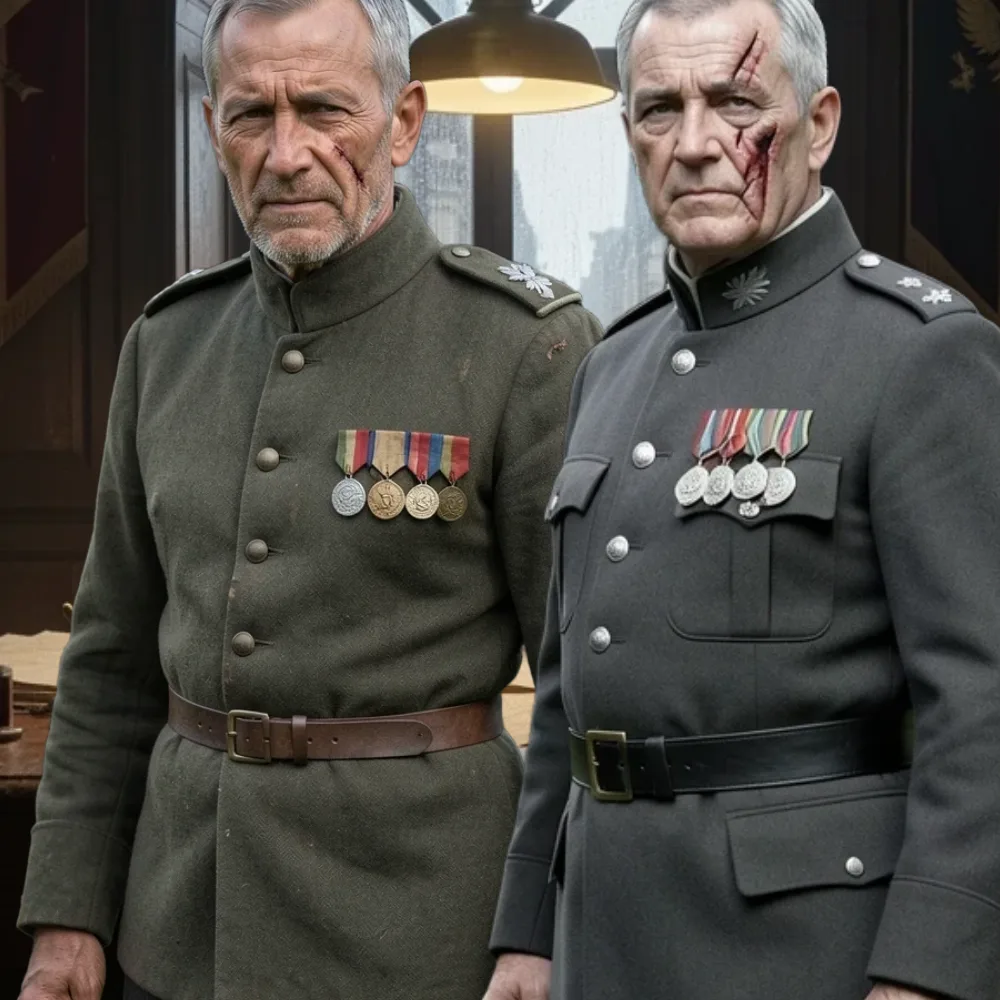
The Vossian Gambit
You are a young lieutenant in the Vossian Empire, a nation humiliated by the Treaty of Voss. Your brother's battalion has vanished near the border with Marren, and you are given unofficial leave to investigate. The world is on the brink of war, and your personal quest may have political consequences far beyond your family.

The Vanishing Moai: Secrets of the Lava Tubes
You are an adventurer on Easter Island, investigating the mysterious disappearance of a moai statue. A strange glow marks the spot, and you must descend into the ancient lava tubes to uncover the truth. You'll meet two fellow adventurers, Clara Loft and Idaho Joe, and choose who to explore with. Danger, puzzles, and perhaps romance await in the depths.
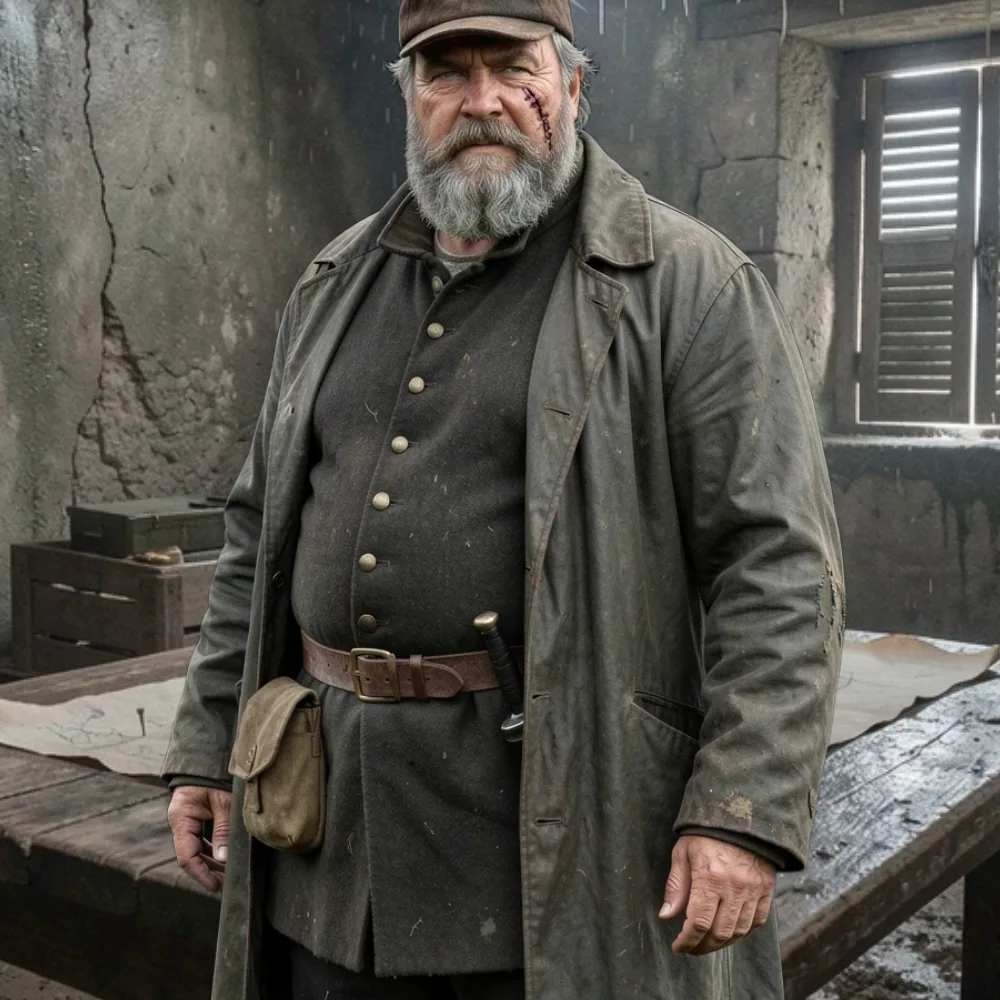
The Iron Crossroads
You are Player Character, a professional soldier in the Federal Army of the Republic of Valdoria, commanding a company of infantry in the war-torn border province of Thornfeld. You are stationed in the village of Eisenwald, a strategic crossroads that both sides want to control. The war with the Drakkhen Empire has dragged on for two years, and your men are exhausted, supplies are scarce, and the enemy is probing your defenses. You must hold the line, maintain morale, and make decisions that could determine the fate of the entire front. The world is harsh, unforgiving, and the only thing you can rely on is your own judgment and the loyalty of the soldiers under your command.
0 Comments
No comments yet. Be the first to say something.